 Menu
Menu

The Future of Web Development: Trends, Tools, and Best Practices
Web development has come a long way—from static HTML pages in the 90s to today’s AI-driven, interactive, and immersive applications. If you’re stepping into the world of web development or already working in it, staying updated with the latest trends is crucial.




From Data to Decisions: How AI & Data Science Empower Businesses
Turning Information into Intelligent Action
Recent blog posts

Sunday, 5 Sep 2025
UX review presentations

How do you create compelling presentations that wow your colleagues?
Monday, 6 Sep 2025
Improving UI for engagement
Learn how to make your designs more engaging and user-friendly.
Tuesday, 7 Sep 2025
Design systems in modern apps
Discover how design systems bring consistency and speed up development.
From Data to Decisions: How AI & Data Science Empower Businesses

October 5, 2025
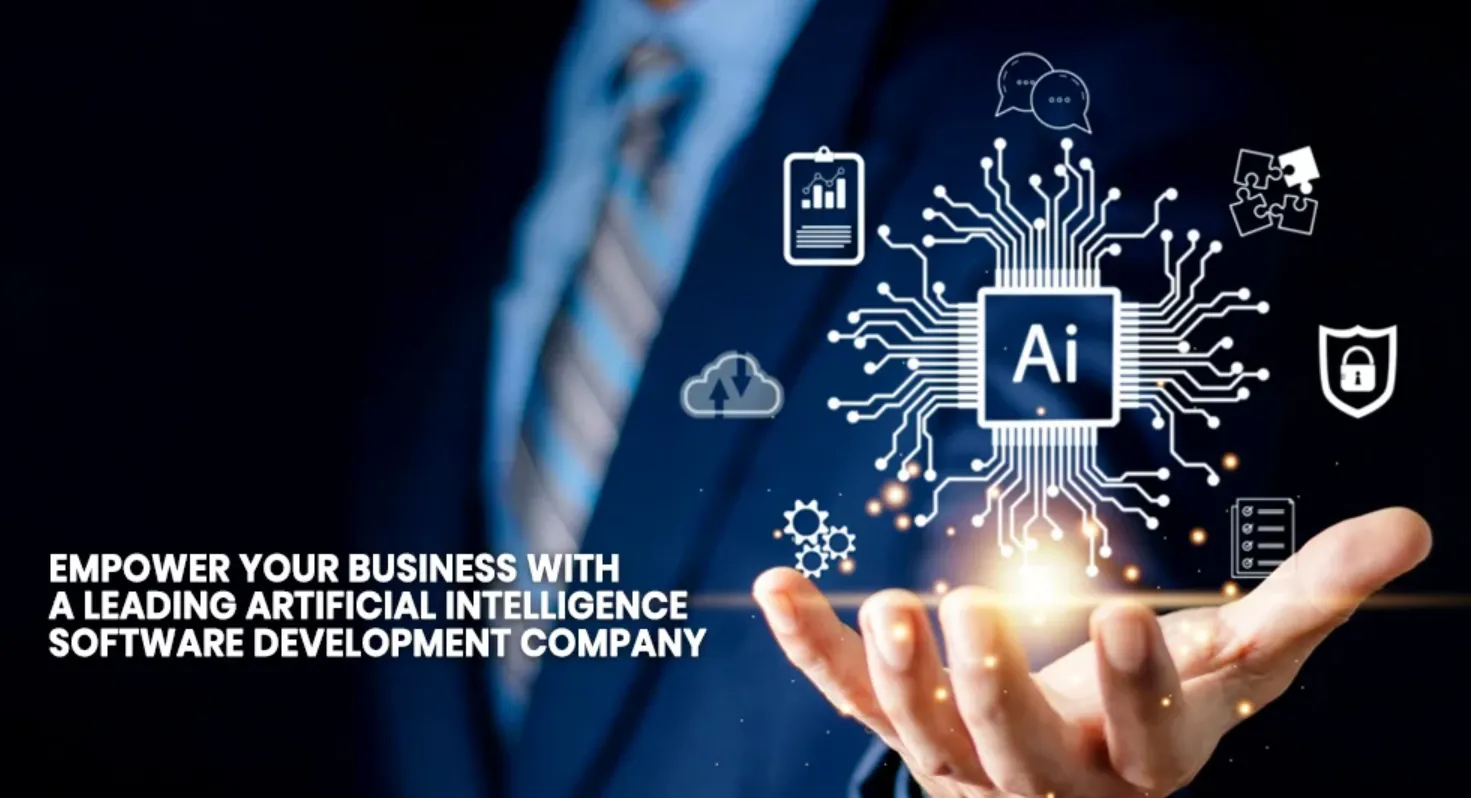
Artificial Intelligence (AI) and Data Science are reshaping how businesses operate, compete, and grow. They turn raw data into actionable insights that guide smarter decisions, streamline processes, and uncover opportunities that might otherwise go unnoticed. With AI-driven systems, companies can understand their customers better, optimize performance, and predict future trends with accuracy.
In a world where every action generates data, using it effectively has become a defining factor of success. Businesses that embrace AI don’t just automate tasks—they learn faster, adapt quicker, and innovate more efficiently. It’s about using technology to enhance human decision-making, not replace it.
Why Data-Driven Decisions Matter
Relying solely on intuition or guesswork is no longer enough in today’s competitive landscape. Data-driven decision-making ensures that every strategic move is backed by real evidence and measurable insights. By analyzing patterns and trends, businesses can make choices that reduce risks and increase the chances of success.
When leaders base their strategies on reliable data, they gain clarity and confidence. AI and analytics provide a deeper understanding of market dynamics, customer preferences, and operational efficiency, turning complex data into a clear direction for growth.
Types of AI Solutions for Business
AI offers a wide range of solutions designed to meet different business needs. Predictive models help companies forecast sales, demand, or customer churn. Automation bots handle repetitive processes like data entry or support tasks, freeing teams to focus on innovation. Data visualization dashboards, on the other hand, present information in intuitive, easy-to-understand formats.
Each of these solutions plays a role in improving decision-making and efficiency. The right combination allows businesses to analyze their data in real time, automate routine work, and make smarter moves with minimal effort—all while reducing human error and saving costs.
Machine Learning in Action
Machine learning (ML) is the core of most AI systems. It enables software to learn from data, identify patterns, and improve its performance over time without manual intervention. This means businesses can predict outcomes, personalize experiences, and detect anomalies faster and more accurately.
For example, an e-commerce platform can use ML algorithms to recommend products based on user behavior, while a financial company can detect fraud by recognizing unusual transaction patterns. In every case, machine learning helps transform raw information into smarter, faster decisions.
NLP & Chatbots
Natural Language Processing (NLP) enables machines to understand and respond to human language. Through NLP, businesses can deploy chatbots and virtual assistants that provide instant support, answer customer queries, and even process transactions. This enhances the customer experience while reducing wait times and support costs.
Modern chatbots go beyond scripted responses. They learn from interactions, improve over time, and deliver personalized communication. This not only boosts customer satisfaction but also helps brands maintain consistent, round-the-clock engagement.
Predictive Analytics
Predictive analytics uses statistical models and AI algorithms to forecast future outcomes based on historical data. Businesses use it to anticipate market changes, optimize inventory, and identify opportunities before competitors do. It’s about being proactive instead of reactive.
By analyzing trends and correlations, predictive analytics allows teams to make smarter investments, manage risks, and plan ahead with confidence. It turns uncertainty into a measurable advantage, helping organizations stay one step ahead in fast-changing markets.
How to Begin with AI
Starting with AI doesn’t have to be overwhelming. The best approach is to begin small—identify one process or area that would benefit most from automation or data insight. This could be customer support, sales forecasting, or marketing optimization.
Once the first use case proves valuable, AI can gradually be expanded across departments. Building an internal culture that values data and experimentation is key. With expert guidance and the right tools, even small steps can lead to transformative results.
““Without data, you’re just another person with an opinion.””
Conclusion: The Power of Intelligent Decision-Making
AI and Data Science are no longer futuristic concepts—they are practical tools driving today’s smartest businesses. They help organizations make informed decisions, personalize customer experiences, and uncover new growth opportunities.
By embracing data-driven strategies and starting with clear, focused goals, any business can turn information into insight and insight into action. The future belongs to those who can learn from their data and act on it faster than the competition.