 Menu
Menu

The Future of Web Development: Trends, Tools, and Best Practices
Web development has come a long way—from static HTML pages in the 90s to today’s AI-driven, interactive, and immersive applications. If you’re stepping into the world of web development or already working in it, staying updated with the latest trends is crucial.




Cloud & DevOps
Cloud, DevOps & Continuous Support: Keeping Products Reliable and Scalable
Recent blog posts

Sunday, 5 Sep 2025
UX review presentations

How do you create compelling presentations that wow your colleagues?
Monday, 6 Sep 2025
Improving UI for engagement
Learn how to make your designs more engaging and user-friendly.
Tuesday, 7 Sep 2025
Design systems in modern apps
Discover how design systems bring consistency and speed up development.
Cloud, DevOps & Continuous Support: Keeping Products Reliable and Scalable

October 7, 2025
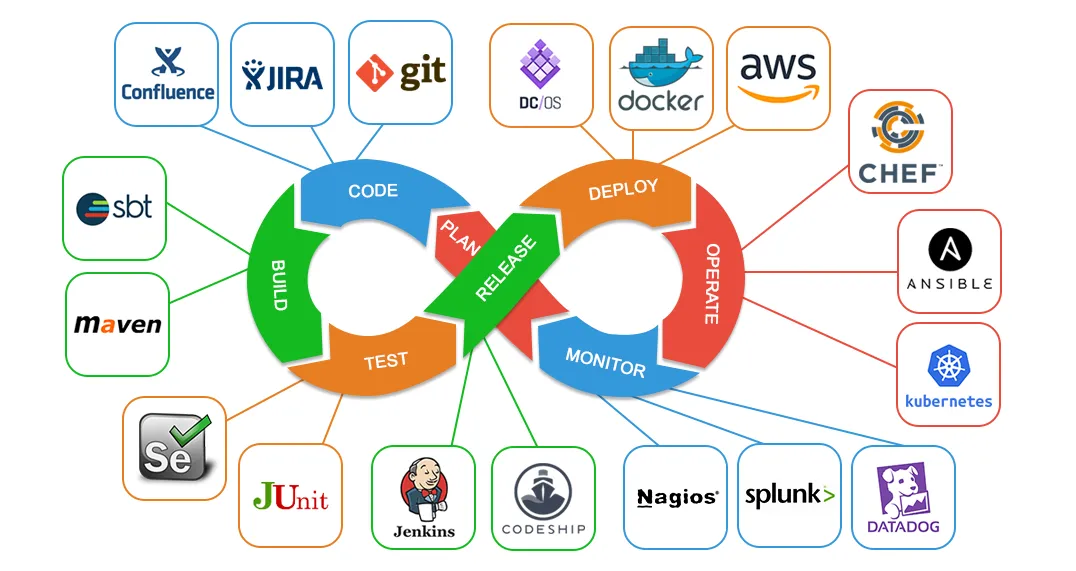
Modern businesses rely on digital products that must be always available, secure, and scalable. Cloud technologies and DevOps practices play a crucial role in meeting these expectations by combining automation, monitoring, and collaborative workflows. Together, they create an environment where software can be developed, deployed, and maintained efficiently ensuring faster releases, reduced downtime, and enhanced reliability for users.
What Is DevOps?
DevOps is more than just a process. It’s a culture of collaboration between development and operations teams. By bridging this gap, organizations can build, test, and release software faster and more reliably.
DevOps encourages automation, continuous feedback, and iterative improvements, allowing teams to adapt quickly to user needs. This approach not only accelerates deployment but also ensures stability and quality throughout the development lifecycle.
Role of Cloud in Modern Development
The cloud provides a flexible and scalable foundation for modern applications. Platforms like AWS, Azure, and Google Cloud enable businesses to deploy infrastructure on demand, manage resources efficiently, and handle sudden traffic spikes without disruption.
Cloud services also simplify disaster recovery, data storage, and global accessibility. By leveraging cloud infrastructure, companies gain the freedom to innovate faster while maintaining cost efficiency and reliability.
CI/CD and Automation
Continuous Integration (CI) and Continuous Deployment (CD) form the backbone of modern DevOps pipelines. CI ensures that code changes are tested and validated automatically, while CD enables smooth deployment to production with minimal manual intervention.
Automation reduces human error, shortens release cycles, and ensures consistent software performance. With these pipelines, teams can deliver updates quickly, respond to market changes faster, and maintain a steady flow of innovation.
Security and Performance Monitoring
Maintaining strong security and performance standards is vital for any digital product. Regular monitoring, automated threat detection, and real-time performance tracking help identify and fix issues before they impact users.
DevOps integrates security practices (known as DevSecOps) directly into the development pipeline, ensuring vulnerabilities are addressed early. Continuous monitoring also provides valuable insights into system behavior, helping maintain peak efficiency and a seamless user experience.
Why Ongoing Support Matters
After deployment, continuous support ensures that systems remain stable, updated, and optimized. Regular maintenance prevents downtime, applies security patches, and adapts the product to evolving business needs.
Ongoing support also provides an opportunity to gather user feedback, improve functionality, and enhance overall reliability. In essence, continuous support transforms a one-time launch into a long-term, sustainable digital solution that grows alongside your business.
“In the cloud era, agility is the new stability.”
Conclusion
Cloud technologies, DevOps practices, and ongoing support together form the backbone of resilient and scalable digital systems. They enable faster releases, smoother collaboration, and proactive maintenance ensuring that applications remain secure, efficient, and future-ready. Businesses that invest in this trio not only achieve operational excellence but also build a strong foundation for continuous innovation and customer satisfaction.